
Duct Inspection Report: What Every Finding Should Explain

Each finding in a duct inspection report should identify the location, observed condition, supporting evidence, practical meaning, limits and recommended next action. That connection helps you decide whether to approve cleaning, repair, replacement or no immediate work.

At Green Air Duct Club, we are based in San Antonio and offer air duct inspection, cleaning, repair and replacement. Our flat-fee inspection service includes written findings; the value of those findings is in how clearly they support your next decision.

By Ori Tarzi
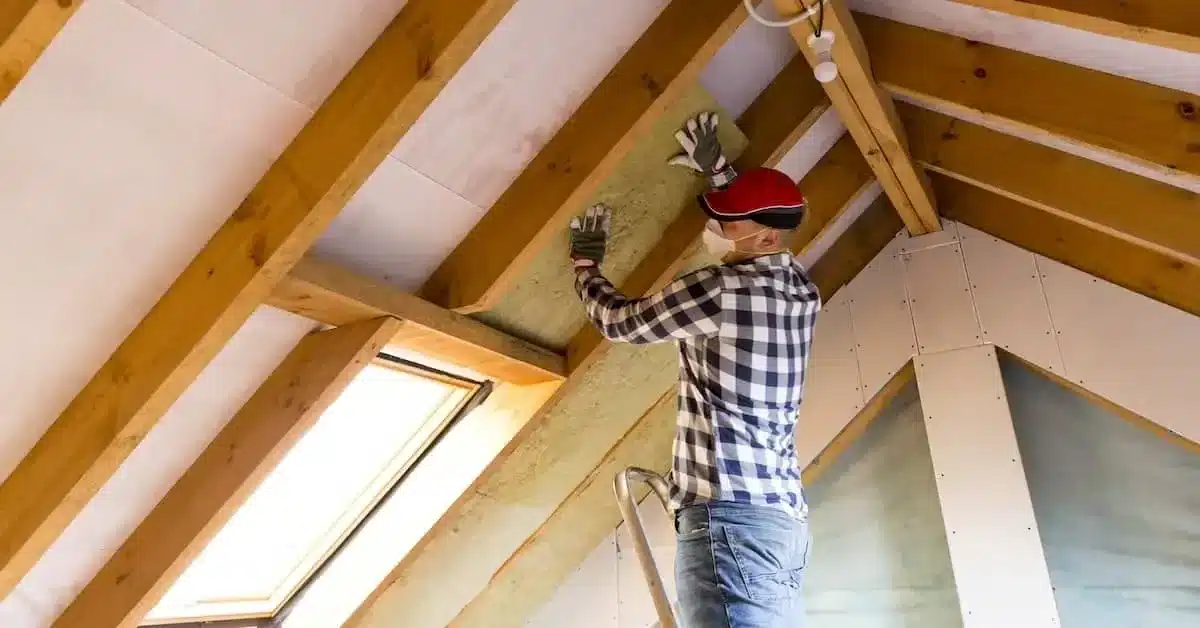
Worker wearing gloves and a red hard hat fitting yellow insulation batts between wooden roof rafters beside a skylight.

What Should a Duct-Inspection Report Help You Decide?

The report should help you choose a defined response to a documented condition, rather than approve work simply because a problem appears on a list. An inspection identifies findings; it is not automatic authorization to clean, repair or replace anything.

A useful recommendation explains why the proposed work fits the evidence and how much of the system it concerns. A finding in one return duct should not quietly become a recommendation to replace every duct.

Our air duct inspection service is the starting point when the condition is unclear. Read more about air duct inspection services if you are deciding whether to schedule an assessment.

What Should Every Individual Finding Include?

Every finding should be traceable from the named component to the recommended response. These are useful fields for reading written findings, not a promise of a fixed report layout.

  • Component and location: Identify the affected supply, return, connection or section precisely enough to distinguish it from nearby components.
  • Observed condition: Describe what was actually seen or measured. Keep the observation separate from a suspected cause.
  • Supporting evidence: Connect the finding to a labeled photo, camera image, measurement or written observation.
  • Meaning and limits: Explain what the evidence establishes and what remains uncertain. A visible condition does not necessarily establish its cause.
  • Recommended response: State whether cleaning, repair, replacement, further assessment or monitoring fits the finding, and explain why.
  • Priority: Explain the reason for the proposed order of work. A priority label alone does not explain why one finding should come first.
  • Unexamined areas: Identify anything inaccessible or outside the inspection scope, and explain whether that gap limits the recommendation.

Want this checked in your home?

Call Green Air Duct Club at (210) 790-3600 to schedule an air duct inspection and request written findings. Include your property address and the concern you want assessed.

Call (210) 790-3600

How Should the Report Separate Cleaning, Repair and Replacement?

The recommendation should follow the type and extent of the documented condition. Removing buildup, correcting a connection and replacing a failed section are different jobs; one should not be presented as a substitute for another.

Possible ConclusionSupporting EvidenceSuitable ScopeWhat It Will Not Resolve
CleanDocumented removable buildup in identified ductsClean the affected ducts within the agreed scopeLeaks, collapsed sections or filtration shortcomings
RepairA documented leak, failed connection or localized defectCorrect the identified defectUnrelated buildup or failures elsewhere
ReplaceA collapsed or unsuitable section, with an explanation of why repair is insufficientReplace the identified sectionConditions outside the replacement scope
MonitorAn observation that does not support immediate corrective workRecord the condition and explain what would justify reassessmentUncertainty about areas that were never inspected

What Do Photos, Access Notes and Report Limits Actually Prove?

An image supports a finding only within the area and detail it shows. It should be tied to a named location and an explanation of the visible condition, not used alone to support a system-wide conclusion.

If a branch, connection or concealed section could not be examined, the report should identify it as unexamined—not describe it as clean, intact or defective without other supporting evidence.

We advertise before-and-after camera documentation for duct cleaning. Confirm which documentation is included in your visit rather than assuming every inspection or cleaning job includes the same images.

Where before-and-after images are provided, matching locations and recognizable features make the comparison useful. Images of different sections cannot establish what changed at the reported problem area.

What Should the Report Say About Cost and Timing?

Inspection pricing should remain separate from the cost of any recommended work. Our duct inspection is a flat-fee service with written findings; a downstream estimate should identify the cleaning, repair or replacement scope being priced.

Cost and time depend on system size, duct materials, access, the extent of the condition and site constraints. A clearly identified localized repair gives a different basis for an estimate than work involving several inaccessible sections. The estimate should distinguish included work from optional work and explain any unresolved access conditions.

Before approving alterations, confirm permit applicability for the property’s jurisdiction. In Texas, TDLR maintenance guidance says non-exempt maintenance must be supplied through a licensed air conditioning and refrigeration contractor, with applicable technician registration. Calling a job cleaning or maintenance does not by itself establish an exemption.

Contact and scheduling are available 24/7, including weekends and holidays. Same-day attendance depends on schedule and location; contact availability is not a promised arrival time or job duration.

When Is Duct Cleaning Not the Answer?

Cleaning is not the appropriate answer when the documented problem requires a structural correction or a different type of work. EPA guidance also does not recommend routine duct cleaning for every home and says it has not been shown to prevent health problems.

  • Leaks: Removing debris does not seal an opening or reconnect a failed joint.
  • Collapsed sections: Cleaning does not restore a damaged duct’s shape or replace failed material.
  • Filtration shortcomings: Removing existing buildup does not substitute for improved filtration.
  • Health expectations: A cleaning recommendation should not promise allergy relief, disease prevention or other health outcomes.
  • No demonstrated need: An inspection can support monitoring or no immediate work rather than a cleaning purchase.

How Do You Use the Report to Approve a Clear Scope?

Approve the selected work by location and purpose, not by a broad label such as full-system service. For concerns about pressure selling or unclear offers, our guide to avoiding duct cleaning scams provides related background.

Confirm availability for your address and the proposed service when scheduling.

  1. Match each recommendation to the finding and evidence that support it.
  2. Separate work proposed now from conditions recommended for monitoring or further assessment.
  3. Confirm exclusions and unexamined areas so they do not become assumed parts of the job.
  4. Review the selected scope for named locations, included tasks, price and scheduling conditions.
  5. Authorize only the work you have selected, with proposed additions kept separate for review.

Frequently asked questions

Does visible dust in a camera image automatically mean the ducts need cleaning?

No. Visible dust alone is not an automatic instruction to clean. The recommendation should explain why the observed buildup warrants removal rather than simply documenting its presence. A photograph can record dust without establishing that cleaning is necessary or that it will solve the concern that prompted the inspection.

Can a duct-inspection report promise lower utility bills or health improvements?

No. An inspection finding does not establish a future bill reduction or health outcome. Any savings claim needs evidence beyond a condition photo, and it must distinguish duct cleaning from other component work. A report can support a maintenance decision without attaching a dollar-saving estimate or medical promise to it.

What should happen when part of the duct system cannot be documented?

The recommendation should remain provisional wherever the missing information affects the decision. If further access or examination is proposed, it should be a separately defined next step with its purpose explained. An undocumented section should not become an assumed replacement item just to make the estimate appear complete.

Can one inspection report support more than one proposed scope of work?

Yes. Different findings can justify separate scopes, and a single finding may support alternatives if the report explains the tradeoffs. The proposals should make clear whether the options are alternatives or complementary tasks. They should also identify any overlapping work so you can compare what each option actually includes.

Want a Professional to Take a Look?

One call covers ducts, dryer vents, insulation, air quality equipment and chimney. Duct cleaning from $99, and the same team handles any repair we find.

(210) 790-3600 Get a Quote