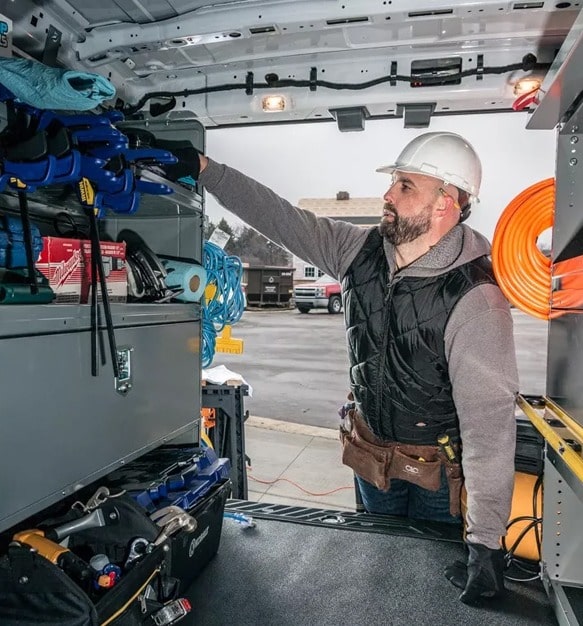
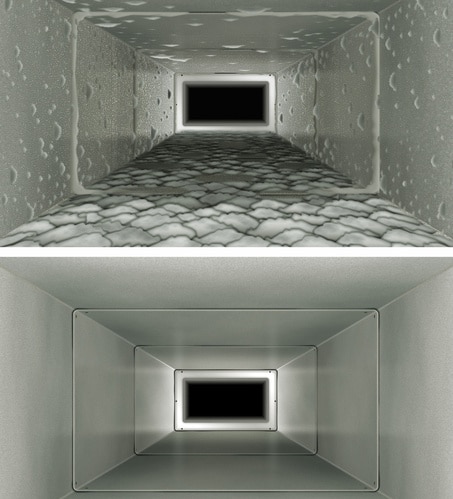
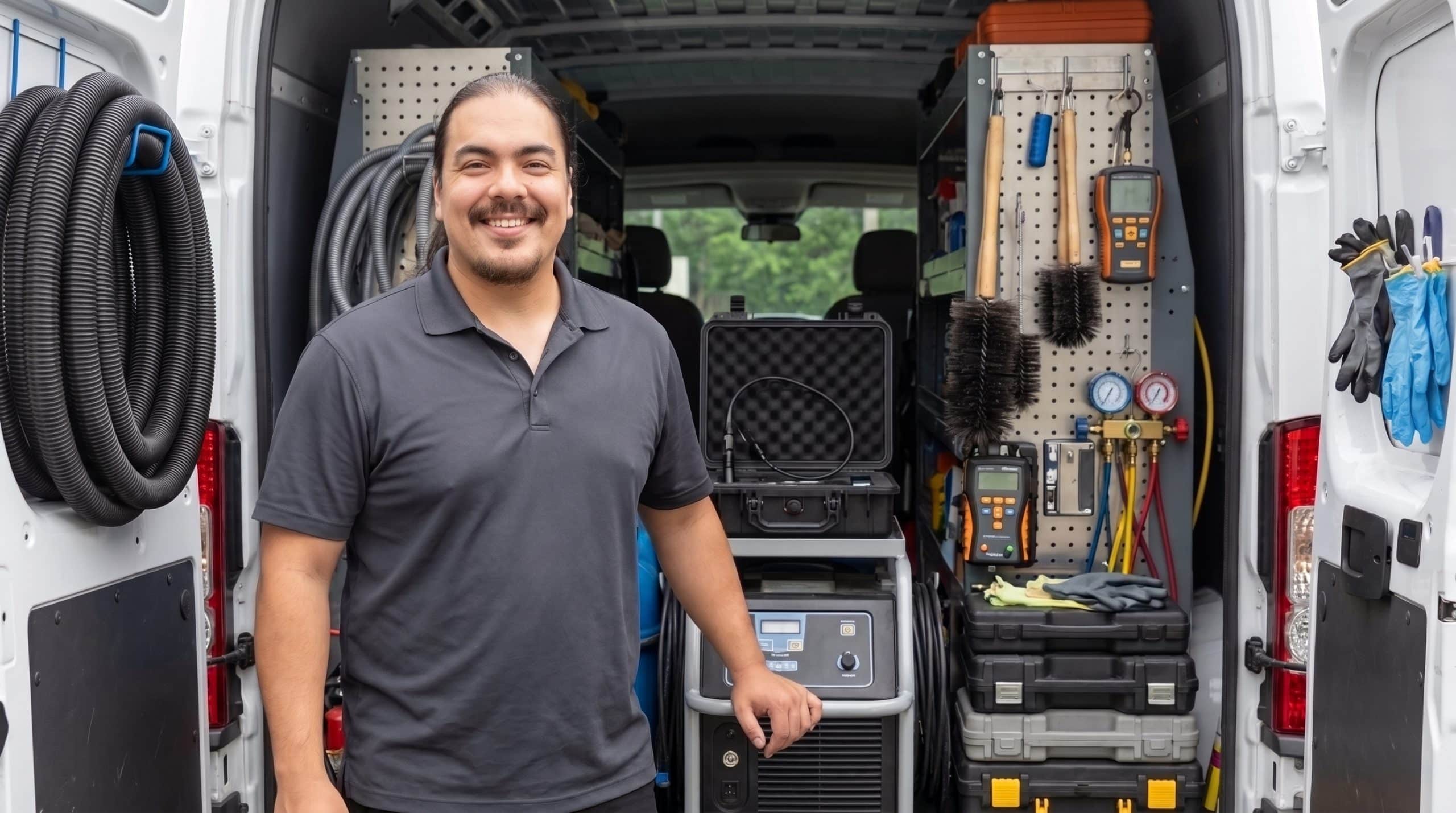
Effective duct sanitizing depends on preparation, product selection, and documentation. The most important best practice is simple: never sanitize over dirt. Mechanical source removal must come first. Second, only use EPA-registered antimicrobials labeled for HVAC systems. Third, verify moisture control so microbial growth doesn’t return. Professional-grade service typically includes:
- Pre- and post-cleaning photo documentation of trunk lines and plenums.
- Negative pressure containment using HEPA-filtered equipment.
- Agitation tools matched to duct type (soft-bristle brushes for flex duct, skipper balls for metal ducts).
- EPA-registered disinfectant applied per label dwell time and dilution ratio.
- Protection of coils, blower motors, and electronics during application.
We follow NADCA’s ACR Standard and reference EPA guidance on antimicrobial use in HVAC systems. If a contractor proposes routine “annual sanitizing” without inspection findings, that recommendation lacks technical basis. Another concern arises when a provider cannot identify the product’s EPA registration number or safety data sheet. In Timberwood Park, many homes use flex duct in attic spaces exposed to high summer heat. Improper fogging in these systems can oversaturate insulation liners, so calibrated ULV application is critical. Done correctly, sanitizing addresses verified contamination. Done carelessly, it can introduce unnecessary chemicals or moisture into the system.