Emergency Air Duct Cleaning Cost in Timberwood Park: Myths, Reality, and What You’re Really Paying For

September 8, 2026

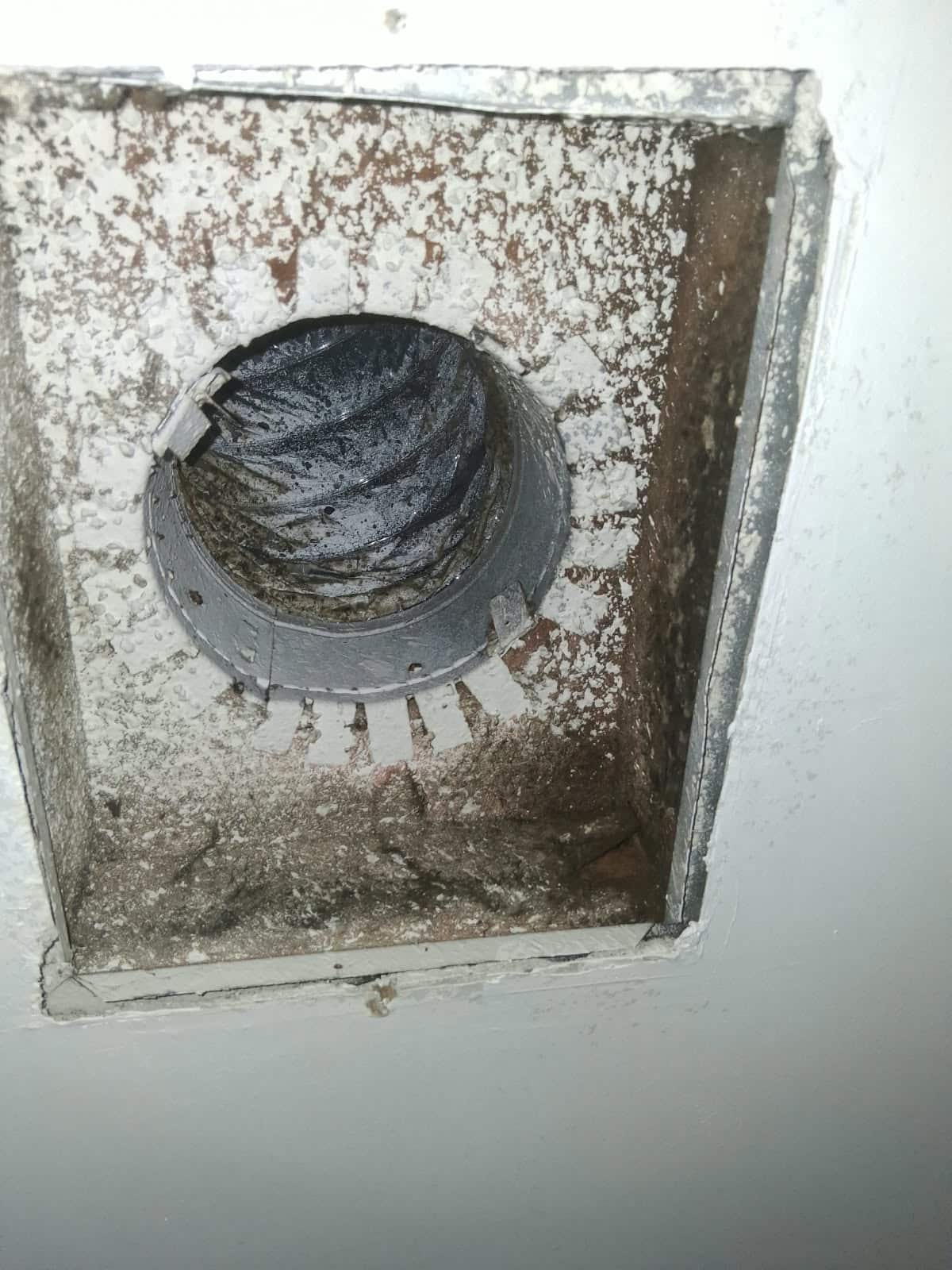
Many homeowners assume emergency duct cleaning is just a higher bill for the same basic service. At Green Air Duct Club, we’ve been helping clients understand emergency air duct cleaning cost in Timberwood Park for years of experience, and we’ve noticed the biggest surprises come from what’s hiding inside the system – not the invoice. In several Timberwood Park homes near wooded lots, we’ve opened return plenums packed with insulation fibers and rodent debris after a sudden odor complaint. The real risk isn’t the price – it’s delay. One homeowner ignored a burnt smell for two days, assuming it would pass. The blower motor overheated due to restricted airflow, and the repair bill quickly exceeded what a timely professional air duct cleaning would have cost. Emergency situations often involve contamination, fire risk, or moisture intrusion, and misunderstanding that difference can lead to serious health, safety, and financial consequences.

Standards, Equipment, and Steps That Protect Your HVAC System

How Often to Clean and What Influences Cost in 2026 - Green Air Duct Club
The most important best practice in an emergency is containment and source removal. We isolate the HVAC system to prevent contaminants from spreading, then clean under negative pressure so debris exits the home – not circulates through it. Following NADCA’s ACR Standard ensures every component is addressed, not just visible duct runs. A proper emergency cleaning typically includes:
  • Full system inspection with cameras to assess supply, return, plenum, and blower compartments
  • Sealing registers and attaching a HEPA-filtered negative air machine
  • Mechanical agitation using rotary brush systems or compressed air tools
  • Cleaning the blower motor, evaporator coil housing, and drain pan when accessible
  • Optional antimicrobial application when microbial growth is confirmed
We’ve seen companies offer extremely low quotes over the phone without inspecting attic ductwork. In many Timberwood Park homes, duct runs snake through hot attics with tight clearances. Flex duct can collapse if handled improperly, and metal trunk lines may require access panels cut and resealed to SMACNA standards. Excellent service includes before-and-after photo documentation and static pressure checks to verify improved airflow. If a provider refuses to show contamination or cannot explain their CFM capacity, the work may be superficial. In emergency scenarios – such as post-fire smoke or water intrusion – thorough cleaning protects both indoor air quality and the HVAC equipment warranty.

Cost Ranges, Timeframes, and Practical Decision Points

Emergency duct cleaning costs in Timberwood Park typically reflect urgency and contamination severity. In our experience, standard emergency calls may range from $600 to $1,500 for average-sized homes, while severe smoke, mold remediation support, or heavy debris removal could range from $1,500 to $3,500 or more. Pricing may fluctuate based on:
  • Site complexity (multi-story homes, tight attic access, long duct runs)
  • Material condition (flex duct replacement vs. metal trunk cleaning)
  • Total scope (blower motor cleaning, coil access, antimicrobial treatment)
Timeframes also vary. A minor contamination issue might take 3 – 4 hours. Post-fire or water-related emergencies can require a full day or multiple visits. One homeowner delayed service after storm-related attic moisture soaked insulation around ductwork. Within a week, microbial growth developed on the outer jacket and inside several flex lines. Because flex duct liner cannot always be fully sanitized per manufacturer guidance, portions required replacement – raising the overall cost. Call for emergency service if you notice:
  1. Persistent burning or smoke odor
  2. Visible debris blowing from vents
  3. Rodent droppings near registers
  4. Sudden airflow restriction after renovation or fire
These figures are preliminary benchmarks for informational purposes only and do not constitute a binding quote. An on-site evaluation is required for a final proposal.
Need a Fast, Expert Assessment?

If you’re facing a sudden odor, debris issue, or post-fire concern, we can provide a rapid assessment to determine whether emergency duct cleaning is truly necessary. Our team evaluates contamination level, HVAC impact, and safety risk before recommending any scope of work. You’ll receive clear documentation, realistic cost expectations, and guidance aligned with industry standards – not guesswork. Emergency situations escalate quickly when airflow is restricted or contaminants circulate through your home. A short inspection now can prevent blower motor failure, indoor air quality problems, and expensive duct replacement later. We’re ready to assess the situation and outline your next steps with clarity and professionalism.
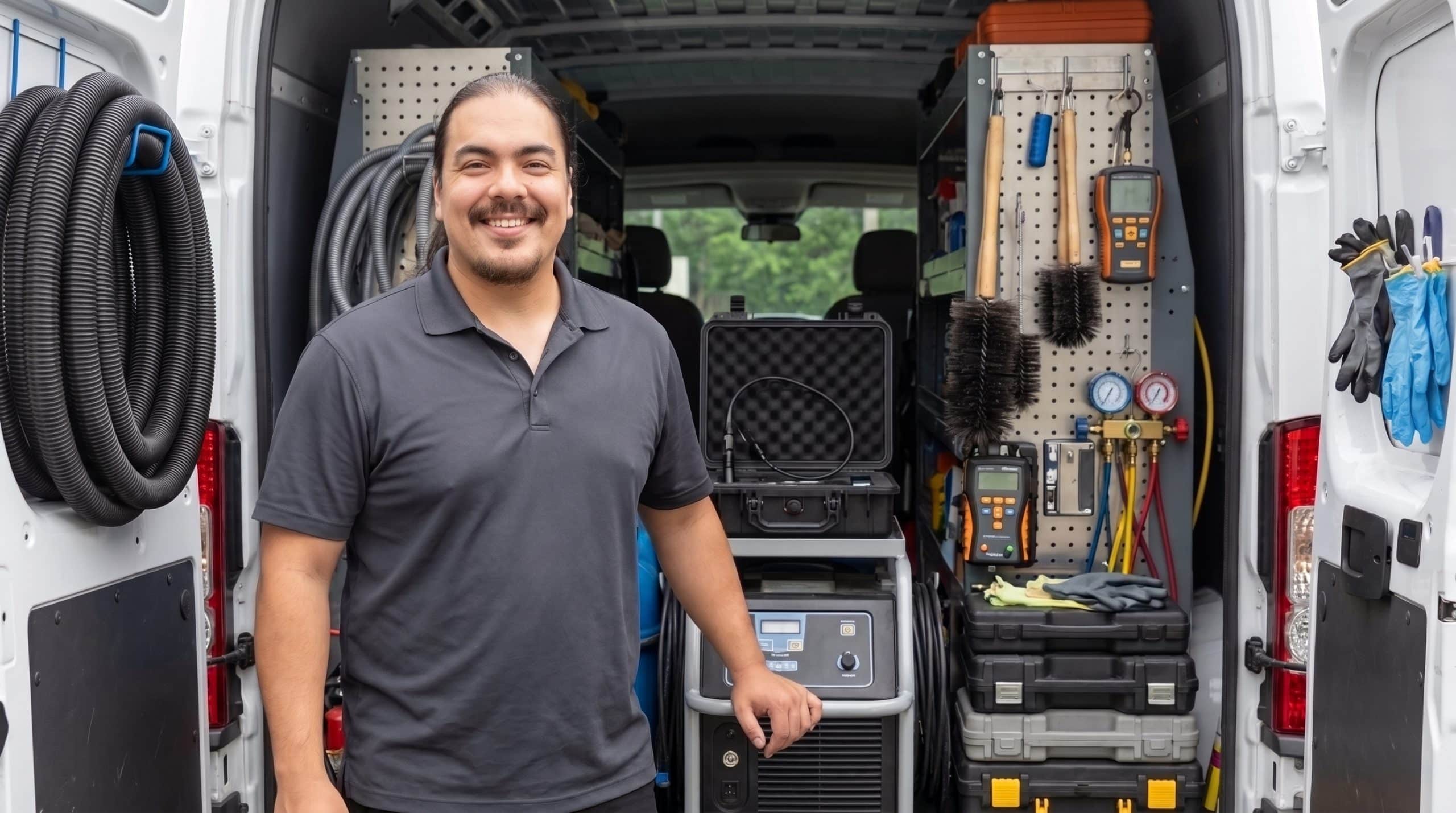
A smiling HVAC technician stands in the open rear doors of a white service van, surrounded by professional equipment and tools. The van's interior displays organized pegboards with various instruments including multimeters, gauges, brushes, and hand tools, along with coiled tubing and a diagnostic case. The technician wears a dark polo shirt and appears ready for service calls, with green foliage visible through the van's windshield in the background.

FAQs

Emergency air duct cleaning in Timberwood Park is usually triggered by sudden contamination or system performance issues. Common causes include small kitchen fires that push smoke through return vents, storm-related attic moisture affecting duct insulation, rodent infestations in attic ductwork, or heavy construction dust after renovations. We’ve also responded to cases where a collapsed flex duct restricted airflow and caused overheating. Timberwood Park homes often have duct systems routed through hot attics. When insulation shifts or wildlife disturbs duct connections, debris can enter the system quickly. If homeowners notice a burning odor, visible particles blowing from vents, or a sudden drop in airflow, those are strong indicators that emergency service may be necessary. The key factor is risk. If contaminants are actively circulating or HVAC components are under strain, waiting can increase repair costs and create health concerns. A prompt inspection helps determine whether full emergency cleaning or targeted repairs are required.
Routine maintenance cleaning focuses on dust accumulation over time, usually as part of indoor air quality improvement. Emergency duct cleaning addresses active hazards – smoke residue, microbial contamination, pest debris, or airflow blockages that can damage HVAC components. In emergency scenarios, we prioritize containment and safety. That may involve sealing off registers, isolating the air handler, and using higher-capacity negative air machines with HEPA filtration. We often inspect blower compartments and evaporator coil housings to ensure soot, debris, or moisture has not spread beyond the ducts. Routine cleanings typically follow a predictable process and timeline. Emergency work can require additional steps such as removing compromised flex duct sections, cutting access panels into metal trunk lines, or coordinating with restoration contractors after water or fire events. The level of urgency and contamination severity is what separates the two services.
Emergency air duct cleaning costs in Timberwood Park may range from $600 to $3,500 or more, depending on severity. Minor contamination with limited debris might be completed in 3 – 4 hours, while heavy smoke or moisture-related cases can take a full day or longer. Pricing can vary based on:
  • Site complexity, such as multi-level homes or tight attic access
  • Material costs, especially if flex duct sections must be replaced
  • Total scope, including blower motor cleaning or antimicrobial treatments
Emergency dispatch timing can also influence overall pricing, particularly for after-hours calls. A thorough on-site evaluation is the only way to determine exact requirements because hidden contamination inside trunk lines or plenums can change the scope significantly. These figures are preliminary benchmarks for informational purposes only and do not constitute a binding quote. An on-site evaluation is required for a final proposal.
Homeowners can safely change HVAC filters and vacuum visible dust from accessible registers. Beyond that, emergency duct cleaning requires specialized equipment and training. Proper source removal depends on maintaining negative pressure throughout the duct system while mechanically agitating debris toward a sealed collection unit. Without HEPA-filtered negative air machines and rotary brush systems, debris often becomes airborne and spreads further into the home. In cases involving smoke or potential microbial growth, improper cleaning can worsen contamination. We’ve seen situations where homeowners attempted to spray deodorizer into vents after a smoke event. The scent masked the odor temporarily but left soot inside the duct liner. Professional cleaning ensures contaminants are physically removed rather than covered up. If the issue involves active smoke, pest waste, moisture, or airflow restriction affecting HVAC performance, professional intervention is strongly recommended to prevent system damage and indoor air quality risks.
Immediate service may be necessary if you notice a persistent burning smell when the HVAC runs, visible dust or debris blowing from vents, or sudden airflow reduction in multiple rooms. Unusual rattling sounds inside ducts can also indicate loose debris or disconnected sections. In Timberwood Park homes with attic duct systems, rodent activity is another major warning sign. Droppings near vents or scratching sounds above ceilings should not be ignored. Moisture stains around ceiling registers after storms may suggest insulation or duct jacket damage. Another red flag is frequent HVAC cycling combined with weak airflow. Restricted ducts increase static pressure, forcing the blower motor to work harder and potentially shortening its lifespan. If multiple symptoms appear together – odor, debris, and reduced airflow – an emergency inspection can help determine whether contamination, blockage, or component strain is present before more extensive damage develops.
Yes. Many Timberwood Park homes have ductwork installed in unconditioned attics, where high heat and humidity stress insulation and flex duct materials. Over time, outer vapor barriers can degrade, and joints may loosen, allowing dust or insulation fibers into the system. Wildlife intrusion is also more common in wooded residential areas. We’ve encountered ducts with torn insulation jackets where rodents nested nearby, introducing debris and contamination into return lines. Storm events can shift attic insulation, burying or compressing ducts. Compressed flex duct reduces internal diameter, increasing static pressure and lowering airflow efficiency. That strain can affect blower motors and evaporator coils. Because of these local conditions, emergency duct cleaning in Timberwood Park often involves attic inspections and airflow testing – not just cleaning visible registers. Addressing root causes prevents recurring problems.
Start by confirming the provider follows NADCA’s ACR Standard and uses HEPA-filtered negative air equipment. Ask whether they clean the entire HVAC system – including blower compartments and accessible coil areas – or just the duct runs. Insurance coverage and proper business licensing are essential, especially when work involves attic access or cutting access panels into trunk lines. Before-and-after photo documentation should be standard practice. Be cautious if a company provides a flat quote without inspecting the system or cannot explain their equipment capacity in CFM. Emergency cleaning often requires higher-powered machines and specialized agitation tools. Clear communication about scope, containment methods, and expected timeframe reflects professional standards. A reputable provider will explain why specific steps are necessary rather than offering vague assurances.
Turn off your HVAC system immediately. Shutting down the blower prevents contaminated air, smoke particles, or debris from circulating further through your home. Delaying action can increase health risks and mechanical damage. Smoke residue can coat blower components and evaporator coils, reducing efficiency and creating persistent odors. Moisture inside ducts may encourage microbial growth within 24 – 48 hours. Restricted airflow can overheat motors and shorten equipment lifespan. After shutting off the system, avoid disturbing vents or attempting to spray chemicals inside. Disturbance can spread particles deeper into the duct network. Contact a qualified emergency duct cleaning provider for a prompt assessment. Emergency dispatch or after-hours fees may apply for immediate response. A professional inspection ensures contamination is properly contained and removed before restarting the HVAC system.