Air Duct Cleaning Cost in Helotes (2026 Guide): What Homeowners Should Expect

June 1, 2026

Dust blowing from supply vents, musty odors when the AC starts, and rising energy bills usually point to one issue: contaminated ductwork. At Green Air Duct Club, we’ve been helping homeowners understand air duct cleaning cost in Helotes for years of experience, and we’ve noticed the same pattern – people wait until airflow drops or allergies spike before asking questions about pricing. In one Helotes home near older limestone construction, we found return ducts packed with renovation debris that had been circulating for months. Ignoring buildup inside ducts can drive up utility costs and strain your HVAC blower motor. We’ve seen systems where restricted airflow caused evaporator coils to freeze, leading to expensive repairs that far exceeded the cost of a professional cleaning. Before you compare estimates, it helps to understand what affects air duct cleaning pricing and what quality service should include.

What Quality Air Duct Cleaning Should Always Include

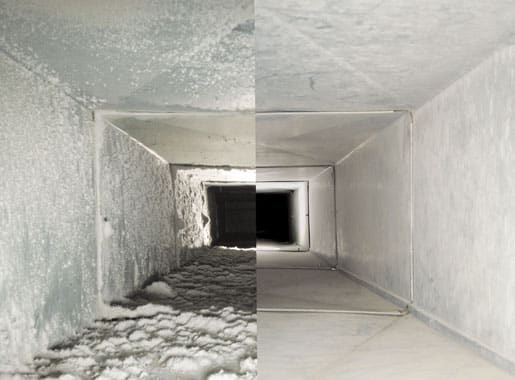
Interior view of a commercial air duct or HVAC ventilation system showing significant dust and debris accumulation on all surfaces, including walls, ceiling, and floor. The rectangular tunnel extends toward a window opening at the far end, with stark lighting revealing the poor condition and lack of maintenance. This image illustrates the importance of regular duct cleaning for air quality and system efficiency.
The most important practice in duct cleaning is full-system cleaning under negative pressure. We follow NADCA’s ACR Standard because partial cleaning leaves contaminants behind and can reintroduce debris into clean sections. Proper containment, agitation, and verification separate thorough service from superficial work. A professional cleaning should include:
  • Pre-inspection with camera documentation of supply and return ducts.
  • Establishing negative pressure with a truck-mounted or high-capacity HEPA vacuum.
  • Mechanical agitation using air whips, skipper balls, or rotary brushes sized to duct diameter.
  • Cleaning of blower motor, housing, and accessible evaporator coil surfaces.
  • Sealing and reattaching access panels to meet International Mechanical Code (IMC) requirements.
  • Post-cleaning verification and airflow check.
We caution homeowners about ultra-low coupons that promise whole-house cleaning in under an hour. Proper service on an average Helotes home typically takes three to five hours, depending on system size and contamination level. If a contractor does not inspect the air handler or refuses to show before-and-after images, that often signals incomplete work. Excellent service also includes protecting flooring, maintaining sealed access points, and confirming that flexible ducts are not damaged during agitation. In homes with attic-installed systems common in Helotes, technicians must navigate tight spaces carefully to avoid crushing insulated flex runs. Quality workmanship preserves both air quality and HVAC efficiency.
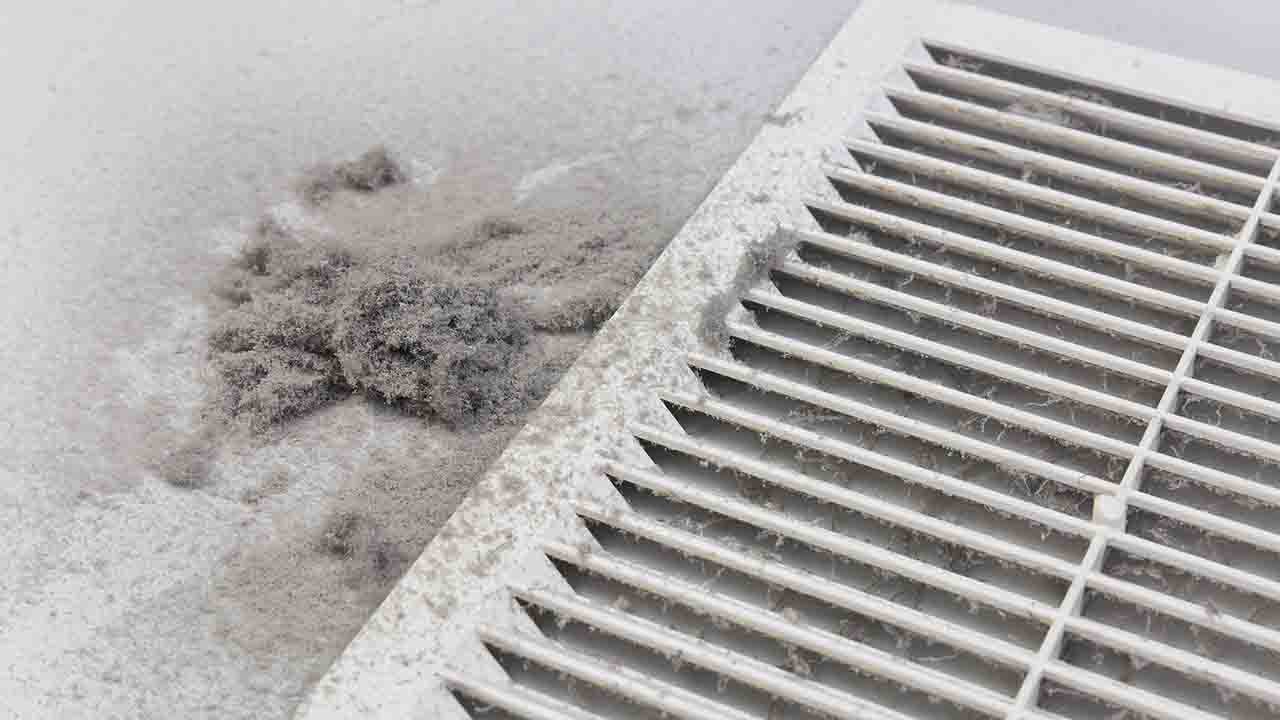
A close-up view of a white or light-colored air vent or register on a ceiling or wall, with a visible accumulation of dust and debris on the surrounding surface. The dust buildup appears as a gray, fuzzy cluster next to the vent's horizontal slats, indicating poor air filter maintenance or prolonged lack of cleaning in the HVAC system.

How Often to Clean and What Influences Cost in 2026

Most homes do not require annual duct cleaning. NADCA suggests inspection and cleaning every three to five years, or sooner if there are pets, renovations, or visible contamination. In Helotes, seasonal pollen and ongoing construction can shorten that interval, especially in homes with leaky return ducts in unconditioned attics. Typical residential air duct cleaning may range from $400 to $900 for an average single-system home. Larger homes with multiple HVAC units might reach $1,000 to $1,800. Pricing can fluctuate based on:
  • Site complexity, including attic access and duct layout.
  • Material costs, such as replacement access panels or upgraded filters.
  • Total scope, including coil cleaning, sanitizer application, or additional systems.
One homeowner delayed cleaning after a remodeling project. Drywall dust accumulated inside metal trunk lines and hardened along seams. When we finally addressed it, the job required extended agitation and additional access cuts, increasing labor time. Addressing contamination early would have reduced both effort and cost. A thorough cleaning for an average home typically takes half a day. Adding coil cleaning or minor duct repairs may extend the visit. These figures are preliminary benchmarks for informational purposes only and do not constitute a binding quote. An on-site evaluation is required for a final proposal.
Schedule a Detailed Duct Evaluation

If dust buildup, uneven airflow, or rising energy bills are raising concerns, the next step is a professional inspection. We evaluate duct condition with camera tools, measure airflow, and explain what level of cleaning – if any – makes sense for your home. Our team provides clear scope outlines so you understand exactly what is included before work begins. A detailed assessment helps prevent unnecessary services and protects your HVAC investment. Whether you are planning preventive maintenance or responding to indoor air quality concerns, we can outline realistic timelines and cost ranges based on your system’s layout and condition. Reach out to schedule a thorough on-site evaluation and get straightforward answers about your ductwork.
A person's hand holding a black cleaning brush tool against a white wall-mounted air vent with horizontal slats. The brush appears to be designed specifically for cleaning the narrow spaces between vent louvers, demonstrating maintenance of home HVAC systems.

FAQs

We recommend starting with a visual and performance check rather than scheduling cleaning automatically. Remove a supply register and look inside with a flashlight. A light dust coating is normal; thick debris, construction material, or signs of moisture are not. Musty odors when the AC starts, visible mold-like growth, or unexplained allergy flare-ups can also justify inspection. In Helotes, homes with attic ductwork are more prone to dust infiltration if return ducts have small leaks. We often use a borescope camera to confirm buildup before recommending service. If your HVAC filter loads quickly or rooms feel stuffy despite a new filter, restricted airflow inside ducts may be contributing. When in doubt, a professional evaluation provides clarity without committing to full cleaning unnecessarily.
It can, but only when contamination is significant enough to restrict airflow. Dust accumulation on blower blades or evaporator coils reduces heat transfer efficiency and forces the system to run longer cycles. After thorough cleaning, we sometimes measure improved airflow at supply registers, which can shorten run times. However, if ducts are relatively clean and the real issue is poor insulation, refrigerant imbalance, or leaky duct joints, cleaning alone will not solve high bills. We evaluate static pressure and inspect accessible duct connections before promising efficiency gains. In cases where debris was severe, homeowners have noticed steadier temperatures and fewer system short cycles. The key is diagnosing the root cause rather than assuming every energy spike comes from dirty ducts.
For most single-system homes, pricing may range from $400 to $900. Larger homes with two systems or extensive duct runs might fall between $1,000 and $1,800. Costs can fluctuate depending on site complexity, material costs, and total scope. Tight attic access, heavily contaminated ducts, or added services such as coil cleaning can increase labor time. A standard visit usually takes three to five hours. Homes with multiple air handlers or extensive flex ductwork may require a full day. We always recommend a written scope outlining exactly what components are included so there are no surprises. These figures are preliminary benchmarks for informational purposes only and do not constitute a binding quote. An on-site evaluation is required for a final proposal.
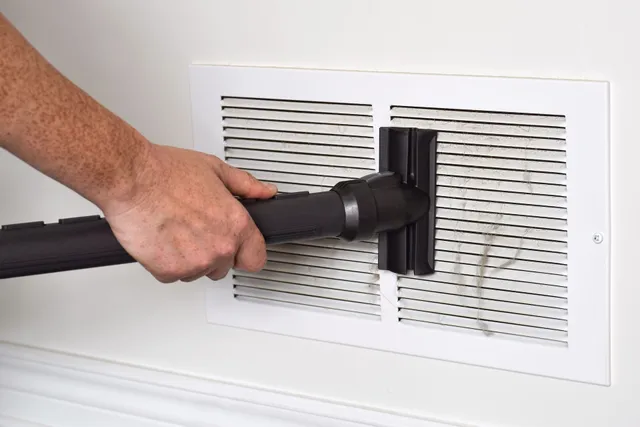
Homeowners can handle basic maintenance such as replacing filters and vacuuming accessible vent covers. Using a vacuum with a HEPA filter attachment to clean a few feet inside the duct opening can reduce loose dust near registers. Full-system duct cleaning, however, requires high-powered negative air machines, rotary agitation tools, and proper containment to prevent debris from spreading. Without these tools, brushing ducts may dislodge contaminants without fully removing them. We have seen DIY attempts where flex ducts were torn by improper brush use, leading to costly replacements. For light surface dust at vents, DIY is reasonable. For deep contamination, mold concerns, or post-renovation debris, professional equipment and training provide safer, more effective results.
Consistent filter replacement is the most effective preventive step. Most homes benefit from changing pleated filters every one to three months, depending on usage and pets. Select a MERV rating compatible with your system; excessively high ratings can restrict airflow if the blower is not designed for it. Seal visible duct joints with mastic rather than cloth duct tape, which degrades over time. During HVAC tune-ups, request inspection of blower components and evaporator coils to catch buildup early. Keeping attic access panels properly sealed also limits dust intrusion in Helotes homes with attic duct systems. These small actions reduce the likelihood of heavy contamination that requires extensive agitation and longer cleaning appointments.
Yes. Many homes in Helotes use attic-installed HVAC systems with insulated flexible ducts. Summer heat in the attic can exceed 120°F, which stresses duct insulation and seals. Small gaps in return ducts often pull in dusty attic air, accelerating buildup inside the system. We also encounter renovation-related debris from expanding neighborhoods. Drywall sanding dust and sawdust can settle deep inside trunk lines if vents were left uncovered during projects. In some cases, wildlife intrusion in attic spaces introduces nesting material into ducts. Regular inspection is especially important after remodeling or roof work. Catching these issues early prevents airflow restriction and protects indoor air quality.
Start by verifying NADCA membership or certification, which indicates adherence to the ACR Standard. Confirm that the company carries liability insurance and can explain its cleaning process step by step. Ask whether they clean the entire HVAC system, including blower and coil, rather than just the ducts. Request before-and-after photo documentation and a clear written scope of work. Technicians should discuss access panel placement and sealing methods to comply with mechanical code standards. Be cautious if pricing seems unusually low or if the company guarantees results without inspecting your system first. Transparent communication and documented procedures typically signal professional service.
Air duct cleaning is rarely urgent unless there is confirmed mold growth, pest infestation, or severe debris blocking airflow. Most situations allow time for inspection and planning. If you notice increased dust, uneven cooling, or musty smells, schedule an evaluation within a few weeks rather than waiting for peak summer demand. In the meantime, replace your HVAC filter and ensure vents are unobstructed by furniture. Avoid spraying household cleaners into ducts, as moisture can worsen microbial growth. If airflow drops dramatically or your system struggles to maintain temperature, that may signal a broader HVAC issue requiring prompt assessment. Early scheduling prevents minor contamination from developing into performance-related repairs.