Indoor Air Quality Testing Cost in Helotes (2026): What to Expect and Why It Matters

May 28, 2026

Looking for a clear checklist on Indoor Air Quality Testing Cost in Helotes (2026)? At Green Air Duct Club, we’ve been helping local families evaluate air quality for years of experience, and we’ve learned most homeowners want three things: realistic pricing, accurate testing, and clear next steps. In Helotes, we recently assessed a hill-country home where high humidity and poor return airflow drove elevated mold spore counts – something a basic DIY kit never would have caught. For related air system concerns, many homeowners also review our air duct cleaning guide before scheduling testing. Ignoring indoor air quality often leads to repeat medical visits, HVAC strain, and hidden mold growth inside ductwork or wall cavities. We’ve seen homeowners spend thousands on cosmetic fixes before identifying the actual airborne source.

What Professional-Grade Testing Should Always Include

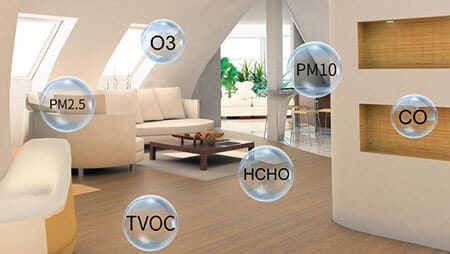
A modern living room interior with various air quality indicators labeled throughout the space, including O3 (ozone), PM10 (particulate matter), PM2.5 (fine particles), CO (carbon monoxide), HCHO (formaldehyde), and TVOC (total volatile organic compounds). The room features contemporary furnishings, large windows, wooden flooring, and potted plants, illustrating common indoor air pollutants and their sources in a residential environment.
Accurate indoor air quality results depend on method, calibration, and interpretation. The most important best practices focus on controlled sampling conditions, laboratory verification, and moisture source identification. Without those elements, numbers alone can be misleading. Professional-grade testing should include:
  • Outdoor control sample comparison. Indoor mold spore counts must be evaluated against outdoor baselines to determine abnormal amplification.
  • Calibrated equipment. Air sampling pumps should be recently calibrated to manufacturer specifications to ensure consistent flow rates.
  • Chain-of-custody documentation. Samples must be labeled and documented before being shipped to an accredited laboratory.
  • Moisture mapping. Since mold growth requires water, infrared scans and hygrometer readings (relative humidity ideally below 60%) help pinpoint the source.
  • Clear, written interpretation. Lab data should translate into actionable recommendations, not just raw spore counts.
We align our approach with standards recognized by the American Conference of Governmental Industrial Hygienists (ACGIH) for exposure considerations and industry sampling protocols. When a provider offers extremely low pricing without lab accreditation or skips outdoor comparisons, the data often lacks context. In Helotes homes with tight building envelopes and high-efficiency HVAC systems, we frequently see elevated indoor particulates when filtration is undersized. A proper evaluation may include reviewing MERV ratings and confirming airflow compatibility with manufacturer guidelines to avoid static pressure issues. Quality testing connects laboratory science with practical building diagnostics.
A bright, modern office workspace decorated with potted plants in white ceramic containers placed on a desk. The foreground shows two thriving green plants with glossy leaves, while additional potted plants and office equipment like computers and monitors are softly blurred in the background, creating a fresh, nature-inspired work environment.

What Affects Indoor Air Quality Testing Cost in Helotes (2026)

Indoor Air Quality Testing Cost in Helotes (2026) typically depends on the scope of testing and the number of samples required. Basic mold air sampling for a small home may range from $300 to $600. More comprehensive assessments – including multiple indoor samples, outdoor controls, VOC testing, and moisture mapping – may range from $700 to $1,500 or more. Several variables influence pricing:
  • Site complexity. Larger homes or properties with multiple HVAC zones require more samples.
  • Material and lab costs. Each cassette sample and lab analysis carries a separate fee.
  • Total scope. Adding VOC testing, formaldehyde analysis, or particulate monitoring increases overall cost.
We once worked with a homeowner preparing to sell their property. A pre-listing air quality assessment revealed elevated mold spores in one return line. Addressing the issue before inspection prevented delays during buyer negotiations. Most assessments take 1 – 2 hours onsite, with lab results typically available within 2 – 4 business days. If results show abnormalities, next steps may include targeted duct cleaning, coil cleaning per manufacturer specifications, or humidity control adjustments using whole-home dehumidifiers set between 45 – 50% RH. These figures are preliminary benchmarks for informational purposes only and do not constitute a binding quote. An on-site evaluation is required for a final proposal.

Schedule a Professional Indoor Air Quality Evaluation

If you’re concerned about allergens, mold, or unexplained respiratory symptoms, we’re ready to help you get clear answers. Our team provides structured sampling, accredited lab analysis, and practical recommendations tailored to your home’s layout and HVAC system. Instead of guessing, you’ll receive data that explains what’s in your air and what steps, if any, are necessary. Testing is especially valuable before major renovations, after water damage, or when preparing to list a property. We design each assessment around your specific concerns and budget so you only pay for the level of testing you truly need. Book a professional evaluation today and gain confidence in the air your household breathes every day.
A hand emerging from a white sleeve holds a translucent green sphere with "AIR QUALITY" text displayed on it against a soft, blurred background of green foliage and white bokeh lights. The image symbolizes environmental awareness and the importance of clean air, using the globe to represent Earth and sustainability. The gentle, nature-inspired composition conveys a message of care and responsibility toward air quality and environmental protection.

FAQs

Most professional indoor air quality testing includes a visual inspection, moisture assessment, air sampling, and laboratory analysis. In Helotes, we typically begin with at least one indoor air sample and one outdoor control sample for comparison. The lab identifies mold spores by type and concentration, which helps determine whether indoor levels are abnormal. More comprehensive testing may include additional air samples from separate HVAC zones, surface samples from visible growth, and measurements of temperature and relative humidity. Some homeowners also request VOC (volatile organic compound) testing if they notice chemical odors after renovations or new flooring installation. A detailed report should interpret findings clearly and explain next steps, such as humidity control, duct cleaning, or HVAC adjustments. Without interpretation, lab numbers alone do not provide meaningful guidance. The scope depends on property size, symptoms reported, and whether prior water intrusion has occurred.
Onsite testing in most single-family homes typically takes 1 to 2 hours, depending on the number of samples collected and whether additional diagnostics are required. During that time, we conduct a walkthrough, measure humidity levels, inspect HVAC components, and collect air or surface samples. After collection, samples are sent to an accredited laboratory. Standard turnaround time is usually 2 to 4 business days. Some labs offer expedited analysis for an additional fee, which may reduce results to 24 – 48 hours. If follow-up action is necessary – such as duct cleaning or moisture mitigation – the overall timeline will extend based on contractor scheduling and scope of repairs. However, the testing portion itself is relatively quick and minimally disruptive to daily routines. Clear access to HVAC systems and attic spaces can help streamline the appointment.
The total cost may fluctuate based on the number of samples required and the complexity of the property. Basic testing might start around a few hundred dollars, while more detailed investigations could exceed one thousand dollars. Three primary factors affect pricing:
  • Site complexity. Larger homes, multiple HVAC systems, or difficult attic access increase sampling time.
  • Material and laboratory costs. Each air cassette, swab, and lab analysis carries a separate processing fee.
  • Total scope. Adding VOC panels, formaldehyde testing, or detailed moisture mapping expands the assessment.
Expedited lab processing, specialty testing, or post-remediation verification sampling may also raise overall investment. These figures are preliminary benchmarks for informational purposes only and do not constitute a binding quote. An on-site evaluation is required for a final proposal.

DIY kits can provide a basic indication that mold spores are present, but they rarely deliver species identification, quantified spore counts, or outdoor comparisons. Many kits rely on passive settling plates, which capture random particles without controlled airflow. That makes interpretation difficult. Professional sampling uses calibrated pumps with measured airflow rates to capture a consistent volume of air. Results are analyzed under microscopy by trained laboratory technicians, and findings are compared to outdoor baseline samples. DIY testing may be reasonable if you want a preliminary check and are comfortable interpreting limited data. However, if you’re dealing with persistent respiratory symptoms, real estate transactions, or prior water damage, professional testing offers defensible documentation and clearer guidance. In situations involving visible growth or structural moisture, professional evaluation provides more reliable conclusions and actionable next steps.
Several indicators suggest testing may be beneficial. Persistent musty odors often point to hidden moisture or microbial growth inside ductwork or wall cavities. Increased allergy symptoms indoors that improve outdoors can also signal air quality concerns. Other warning signs include:
  • Recent roof or plumbing leaks
  • Condensation on supply vents
  • Warped drywall or bubbling paint
  • HVAC systems running constantly without clear cause
If indoor relative humidity consistently exceeds 60%, mold growth risk increases significantly. Using a digital hygrometer can help you monitor conditions. Routine HVAC filter replacement with properly sized MERV-rated filters (consistent with manufacturer airflow guidelines) helps reduce particulates but does not replace professional testing when symptoms persist. When warning signs continue despite maintenance, a structured evaluation provides clarity and direction.
Helotes homes often experience seasonal humidity fluctuations, especially during warmer months. Elevated humidity combined with tightly sealed modern construction can trap moisture indoors, increasing mold growth potential. Hill-country terrain may also influence drainage patterns around foundations. When grading slopes toward the structure or gutter systems are undersized, moisture intrusion into crawlspaces or slab edges can occur. Over time, that damp environment affects indoor air. We also see cases where high-efficiency HVAC systems are paired with filters that restrict airflow beyond manufacturer recommendations. Excess static pressure can reduce system performance and create uneven humidity control. Reviewing airflow design and duct sealing plays a critical role in maintaining balanced indoor conditions. Because of these regional factors, testing in Helotes often includes moisture mapping and HVAC performance checks in addition to standard air sampling.
Look for providers who use accredited laboratories and calibrated sampling equipment. Documentation matters. A clear chain-of-custody process ensures your samples are properly handled from collection to lab analysis. Ask whether the provider collects outdoor comparison samples and whether their report includes interpretation, not just lab data. Professionals should explain findings in plain language and recommend next steps tied directly to results. Insurance coverage and familiarity with industry-recognized practices – such as those supported by AIHA or ACGIH guidance – demonstrate professionalism. Experience evaluating HVAC systems is also valuable, since airflow and humidity control often influence indoor air quality. Transparent pricing and a written scope of work help prevent misunderstandings. A reputable professional will avoid making health diagnoses and instead focus on measurable environmental data and building-related solutions.
Indoor air quality testing is not typically an emergency service, but timing still matters. If you notice persistent musty odors, unexplained allergy flare-ups, or recent water intrusion, scheduling within a few days to a week is reasonable. Before testing, avoid running air purifiers or heavy cleaning that could temporarily alter airborne particle levels. Maintain normal living conditions so results reflect everyday exposure. If visible mold growth covers large areas or follows significant flooding, addressing moisture control should take priority before sampling. Testing is often most valuable after leaks are repaired to verify conditions. Early evaluation can prevent prolonged exposure and secondary damage to drywall, insulation, or duct systems. Waiting months after symptoms begin may increase remediation scope and overall cost.