7 Signs of Rodents in Your Air Ducts Homeowners Should Never Ignore

May 15, 2026

Wondering if something is living in your vents? This checklist breaks down the 7 Signs of Rodents in Your Air Ducts and explains exactly what to look for. At Green Air Duct Club, we’ve been helping homeowners with duct contamination and HVAC issues for years of experience, and we’ve seen how quickly a small rodent problem turns into expensive system damage. In one Converse home, a faint scratching sound turned out to be chewed flex duct and contaminated insulation. Ignoring early warning signs often leads to serious indoor air quality problems and costly repairs. Rodent droppings inside ductwork can circulate allergens and bacteria throughout your home, especially when the AC runs daily in Converse’s heat. If you’ve already noticed musty airflow or debris around vents, review our air duct cleaning resource while reading this guide.

What Quality Duct Remediation Should Always Include

professional signs of rodents in air ducts overview in Converse by Green Air Duct Club
Effective rodent remediation in HVAC systems requires more than vacuuming droppings. The most important best practices involve containment, sanitation, and structural correction. Skipping any of these steps increases the chance of recurring contamination. NADCA’s ACR Standard outlines proper source removal methods, and the International Residential Code (IRC) Section R302.11 requires sealing of penetrations to resist pest entry. Professional service should include:
  • Full HVAC system inspection, including supply and return trunks
  • HEPA-filtered negative air pressure during cleaning
  • Mechanical agitation tools such as skipper balls or rotary brushes
  • Removal and replacement of heavily contaminated flex duct (rodents often compress insulation beyond salvage)
  • Sealing entry gaps using metal flashing or hardware cloth – not spray foam alone
  • Optional EPA-registered antimicrobial treatment designed for HVAC interiors
We’ve seen situations where a contractor sprayed deodorizer into vents without removing nesting material. The odor returned within days because the contamination source remained. Quality service always addresses both biological waste and physical damage. In Converse, many homes have flexible duct runs routed across attic joists. When rodents chew through the outer jacket and insulation, condensation forms on exposed inner liners, accelerating mold growth. Proper remediation includes replacing compromised sections and resealing connections with mastic rated to UL 181 standards. Homeowners should expect photo documentation before and after service, clear scope explanations, and verification that airflow meets manufacturer CFM requirements after repairs.
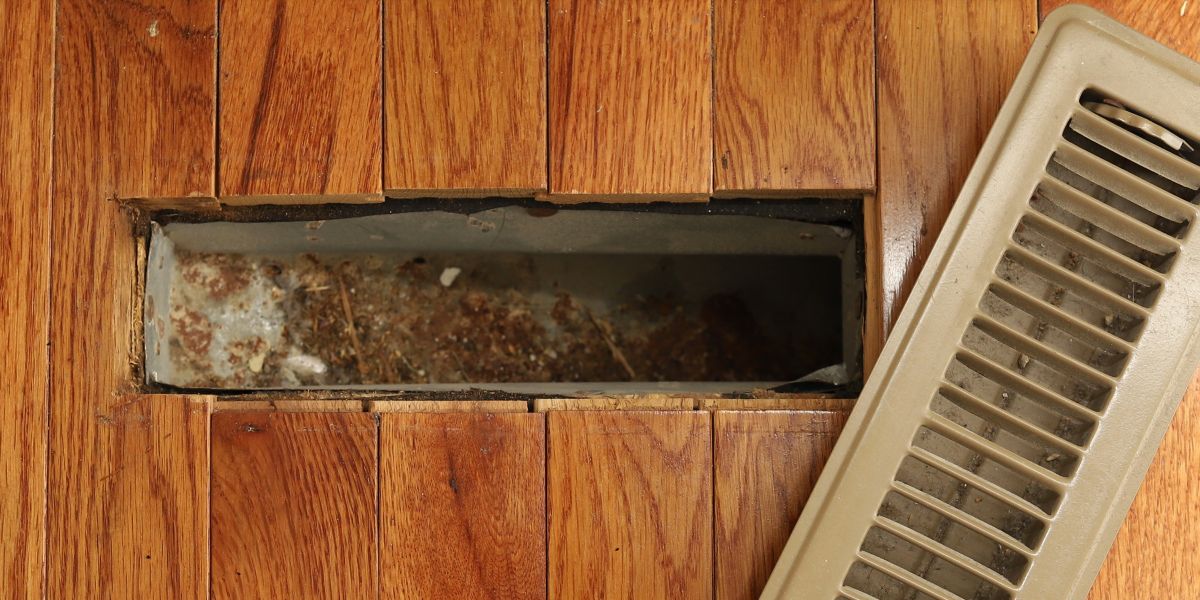
A wooden floor with visible rust and debris accumulation inside a dark rectangular floor vent or duct opening on the left, next to a cream-colored air return vent on the right. The wood flooring shows natural grain patterns and aging, while the metal vent interior displays significant rust staining and dust buildup, indicating neglect and poor maintenance of the HVAC system.

Troubleshooting Early and Planning for Remediation

Once you notice any of the 7 Signs of Rodents in Your Air Ducts, act quickly to limit contamination. Start with a visual inspection of accessible attic ductwork and vent registers. Avoid disturbing droppings without respiratory protection; aerosolized particles can spread bacteria. A client in Converse delayed service for several months after hearing attic noises. By the time we inspected, rodents had chewed through two flex runs and partially damaged low-voltage thermostat wiring. The repair required duct replacement, sanitation, and minor electrical work, extending the project timeline. Typical remediation may involve:
  • Inspection: 1 – 2 hours
  • Cleaning and sanitation: 3 – 6 hours depending on system size
  • Duct replacement (if needed): 1 day for moderate scope
Costs may range from $400 to $900 for minor cleaning with limited contamination. More extensive repairs with duct replacement could range from $1,200 to $3,500 or more. Pricing fluctuates based on:
  • Site complexity and attic accessibility
  • Material costs for new flex or rigid duct sections
  • Total scope of contamination and structural sealing
These figures are preliminary benchmarks for informational purposes only and do not constitute a binding quote. An on-site evaluation is required for a final proposal. Addressing entry points immediately prevents recurrence and protects system efficiency.
Schedule a Professional Duct Evaluation

If you suspect rodent activity in your ductwork, early intervention protects both your HVAC system and your indoor air quality. Our team performs detailed inspections, documents contamination, and provides clear remediation plans that meet recognized industry standards. We focus on long-term solutions – sealing entry points, restoring airflow, and preventing repeat infestations. Homeowners in Converse rely on thorough evaluations rather than temporary fixes. Whether you’ve heard scratching, noticed odors, or found droppings near vents, we’re ready to assess the situation and explain your options clearly. Book a professional evaluation and get answers before minor damage becomes a major repair.
Troubleshooting Early and Planning for Remediation - Green Air Duct Club

FAQs

In Converse, the most common signs include scratching noises in ceilings at night, droppings near supply registers, and musty or ammonia-like odors when the AC runs. Because many homes have flexible ductwork in hot attics, rodents often chew through outer insulation and create nests inside compressed sections. You might also notice uneven airflow or rising allergy symptoms when the HVAC system cycles on. Over the years, we’ve found that homeowners often dismiss faint noises as normal expansion sounds, but repeated activity usually signals movement inside duct runs. If you safely access your attic, look for torn vapor barriers or shredded insulation along joists. Early detection matters because contaminated ductwork can circulate allergens and bacteria through every room in the house.
Yes, rodents can damage more than just flexible duct lines. We’ve seen cases where nesting material blocked return plenums and restricted airflow across evaporator coils. Reduced airflow forces the blower motor to work harder, potentially shortening its lifespan. Rodents also chew low-voltage wiring connected to thermostats and control boards, which can cause intermittent system failures. In extreme cases, damaged insulation inside the air handler cabinet creates condensation and rust issues. Manufacturer guidelines for most HVAC units specify minimum airflow (measured in CFM per ton), and rodent blockages can push systems below that threshold. When that happens, energy bills rise and warranty claims may be denied if contamination is documented. Addressing rodent entry early protects both mechanical components and long-term system performance.
Costs can vary depending on severity. Minor contamination with limited droppings and no duct damage may start around $400 to $900 for inspection and professional cleaning. If flex duct sections require replacement and entry points must be sealed, total remediation might range from $1,200 to $3,500 or more. The timeline often takes 3 – 6 hours for cleaning, while duct replacement could extend the job to a full day. Pricing may fluctuate based on:
  • Site complexity and attic accessibility
  • Material costs for new duct sections and sealing materials
  • Total scope of contamination and repair work
These figures are preliminary benchmarks for informational purposes only and do not constitute a binding quote. An on-site evaluation is required for a final proposal.
Surface-level debris near vent registers can sometimes be cleaned carefully using gloves, an N95 or higher-rated respirator, and disinfectant approved for hard surfaces. However, deep duct contamination requires specialized equipment. Professional remediation uses HEPA-filtered negative air machines and mechanical agitation tools to prevent airborne spread of particles. Disturbing droppings without containment can circulate contaminants throughout the home. If rodents have chewed duct insulation or created nests inside trunk lines, replacement is often safer than cleaning alone. We’ve encountered situations where homeowners vacuumed visible droppings but left contaminated insulation inside flex ducts, leading to recurring odors. For minor exterior signs, careful cleaning may help temporarily. For internal contamination, professional service reduces health risks and ensures the entire HVAC system is properly restored.
Prevention starts with sealing entry points. Inspect rooflines, soffits, and attic penetrations for gaps larger than 1/4 inch. Use metal flashing or hardware cloth rather than foam alone, since rodents can chew through softer materials. Ensure vent caps and roof penetrations are securely screened. Inside the attic, confirm that duct connections are sealed with UL 181-rated mastic and that outer vapor barriers remain intact. Damaged insulation attracts nesting. Routine HVAC inspections help identify vulnerable areas before rodents move in. We recommend checking attic spaces seasonally, especially after storms. Keeping pet food sealed and reducing accessible nesting materials near the home also discourages infestation. Consistent maintenance protects airflow efficiency and indoor air quality over the long term.
Yes, rodent intrusion is relatively common in Converse due to warm temperatures and attic duct configurations. Many homes rely on flexible ductwork routed through unconditioned attic spaces. Heat can degrade outer duct jackets over time, creating weak points rodents exploit. Seasonal weather shifts also drive rodents indoors seeking stable shelter. We often see increased activity during cooler months when pests look for warmth near HVAC equipment. Homes with mature trees near rooflines face higher risk because branches provide easy roof access. Routine attic inspections are especially important in this area. Early sealing and duct maintenance significantly reduce the chance of infestation becoming widespread.
Look for companies that follow NADCA standards for HVAC cleaning and contamination control. Ask whether they use HEPA-filtered negative air machines and mechanical agitation tools rather than simple shop vacuums. Confirm they inspect the entire system, including return trunks and plenums. Insurance coverage and proper licensing are also important, particularly if duct replacement or electrical repair becomes necessary. Reputable providers should offer photo documentation before and after service. If a contractor proposes spraying deodorizer without removing nesting material, that approach typically fails to solve the root issue. Clear written scopes of work, airflow verification after cleaning, and discussion of entry-point sealing demonstrate professional thoroughness.
Rodent activity in ductwork is not usually a medical emergency, but certain signs warrant prompt scheduling. Strong persistent odors when the HVAC runs, visible droppings blowing from vents, or sudden airflow restriction suggest active contamination. Chewed wiring or repeated breaker trips may indicate electrical damage that needs attention. If you notice allergy symptoms intensifying whenever the AC cycles, limit system use until inspection if practical. Avoid disturbing attic nests without protective equipment. Schedule a professional evaluation within days rather than weeks to prevent contamination from spreading. Quick action reduces repair scope and helps protect indoor air quality before damage escalates.